lift-pier counterweight operator leaf girders floor beams trunnion gears bearings rest pier
Neil R. Underwood Memorial Bridge
Home
About Us
Tuck Museum
Donations/Membership
Genealogy & Research
Founders Park
Underwood Bridge
Calendar of Events
News & Info
Education
Maps
Museum Store
Archives
Directions
Links
underwood-top-pic3.jpg
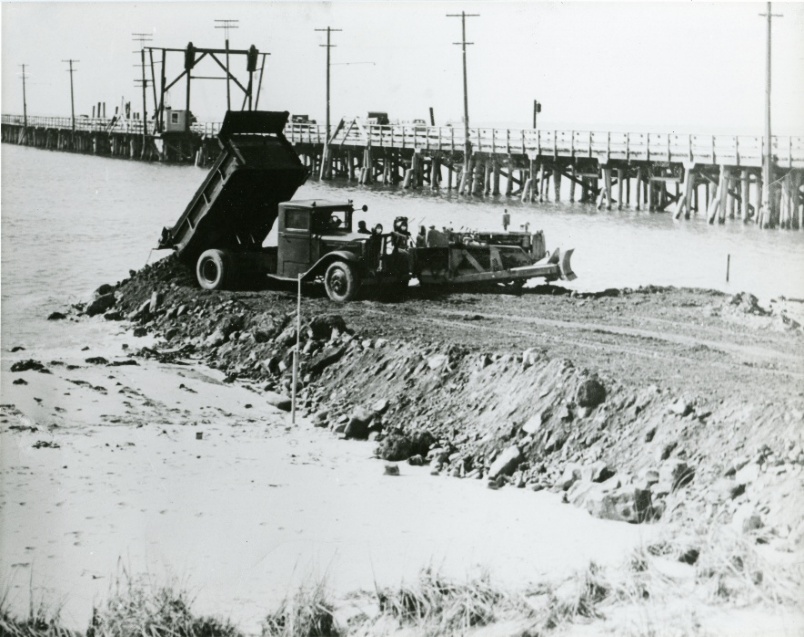
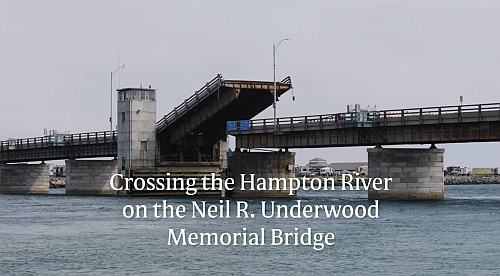
The Hampton River Toll Bridge, later renamed the Neil R. Underwood Memorial Bridge to recognize a World War II Army Lieutenant from Hampton, carried NH Route 1A over the Hampton River at the inlet to Hampton Harbor. The bridge was opened in 1949 and served as a vital transportation link between Hampton Beach in the north and Seabrook in the south, accommodating up to 18,000 vehicles per day during summer peak times. It replaced an earlier bridge at the crossing, the "Mile-Long Bridge," thought at the time to be the longest wooden bridge in the world.

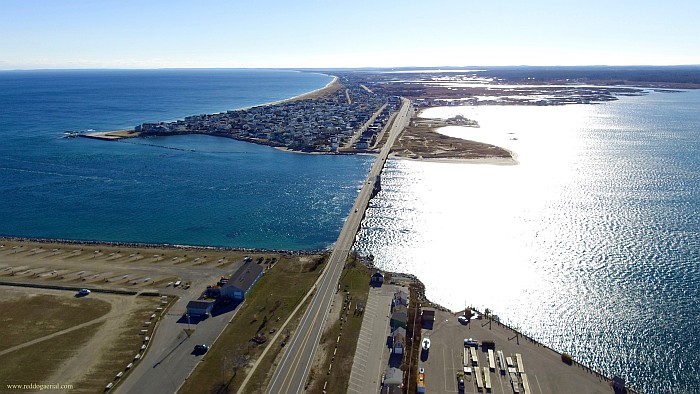
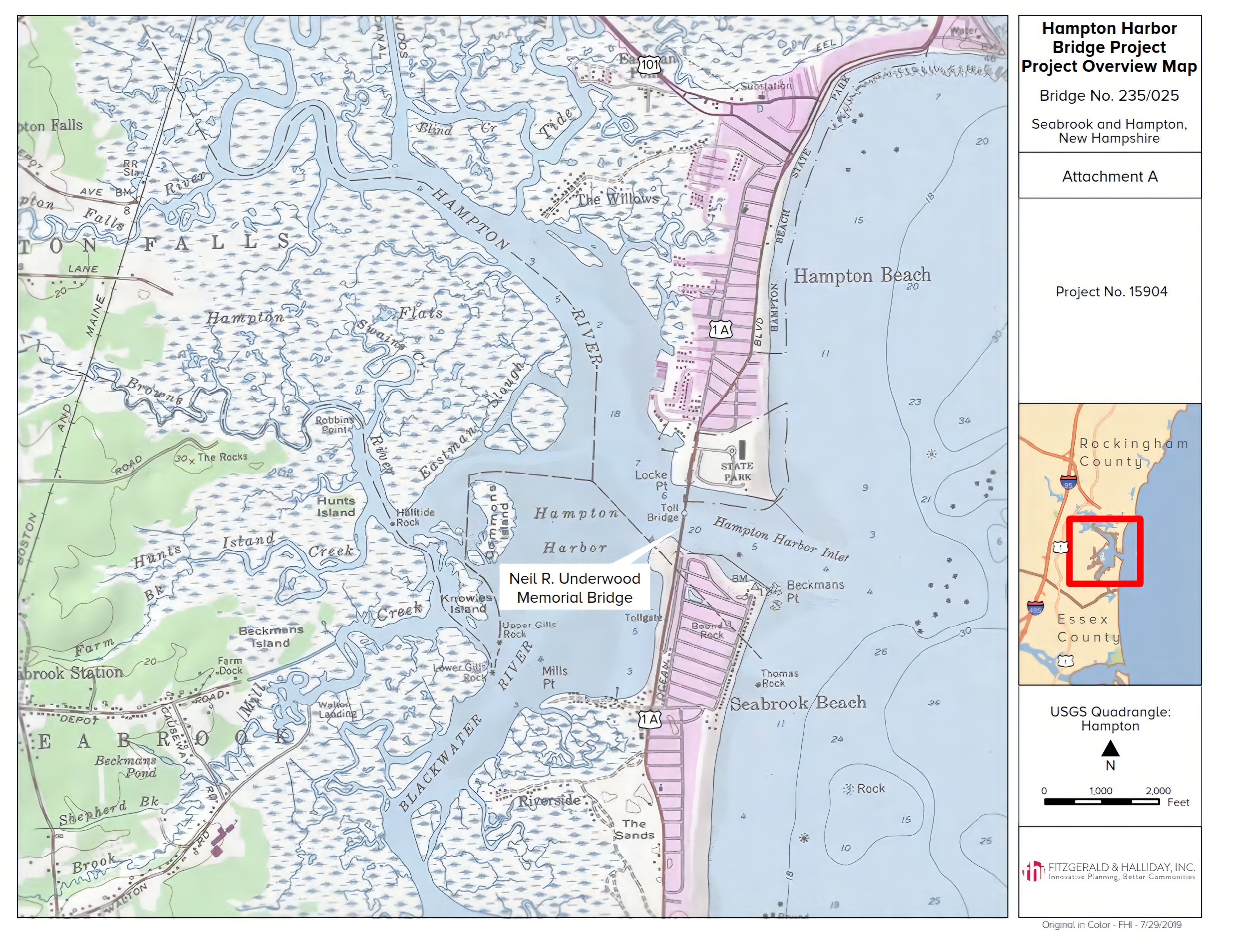
The Neil R. Underwood Bridge is located at the confluence of the Blackwater River and the Hampton River, where they form Hampton Harbor and outlet to the Atlantic Ocean. The bridge crosses a wide inlet that experiences powerful currents, tides, ice floes, wind, and storms. The natural forces of the ocean have created a changing landscape, with the build up of sand and sediment around rocky outcroppings.

Over time, harsh weather contributed to the deterioration of the Neil R. Underwood Bridge, and in 2018 planning began for its replacement. The new fixed bridge maintains the critical physical connection between Seabrook and Hampton and meets the maritime, recreational and commercial needs of the communities.

underwood-2nd-pic.jpg
hampton_bridge3_wm_medium.jpg
p1000559.00_01_45_15.still001_medium.jpg

Location of the Neil R. Underwood Bridge

images/projectlocationmap-akvis-enlarged1.jpg

This is a medium-res image (larger than it appears on the screen). To enlarge it on-screen, use pinch-zoom on a tablet or smartphone; on a desktop system, click the image to see a full view (use your browser's Back to come back here).

Contents

How Bascule Bridges Operate

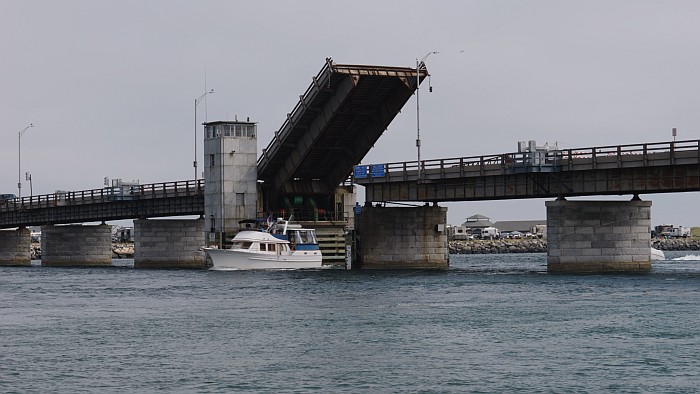
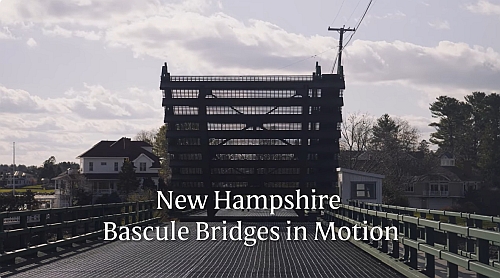
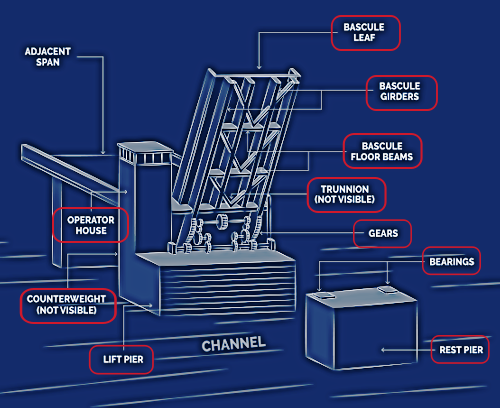
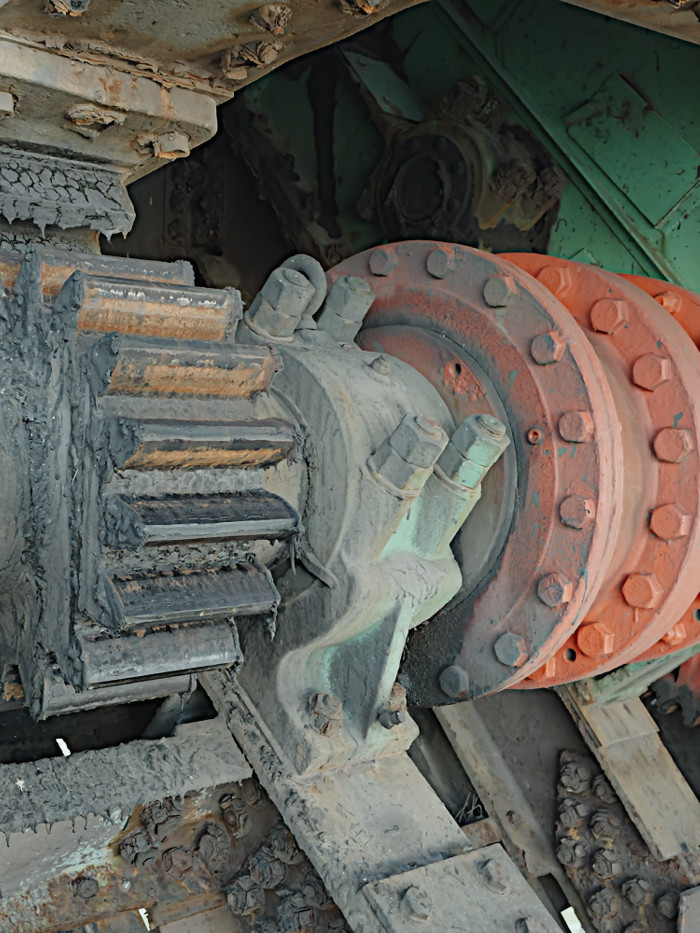
A bascule bridge, also called a drawbridge, is a type of movable bridge with a counterweight that balances a leaf, or deck, as it pivots open. It requires relatively little energy to operate. The term bascule is the French word for seesaw, referring to the swing of the leaf from closed to open to allow boat traffic to pass under the bridge. Bascule bridges can pivot on a pin (called a trunnion) or roll on a rocker (called a rolling lift). Depending on their size, they either have a single leaf spanning the channel or two leaves meeting at the center.

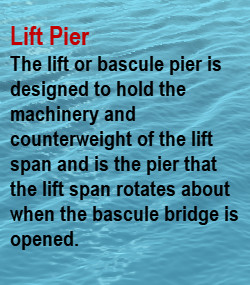
Position the mouse cursor over a red rectangle in the diagram at left below
and read an explanation in the box on the right
.
bascule_diagram-medium4.png lift-pier


Neil Underwood Design and Operation

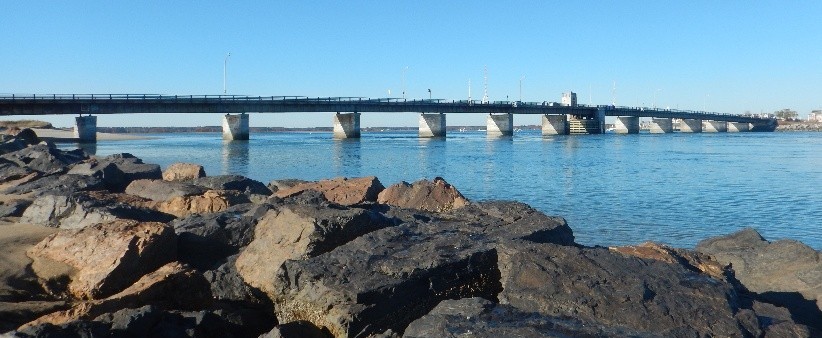
The Neil R. Underwood Bridge was approximately 1,199-feet long by approximately 33-feet wide (53 feet wide at the barrier gates), including a 24-foot-wide roadway, a one-foot shoulder on either side, and a four-and-a-half-foot-wide sidewalk on the east side. 

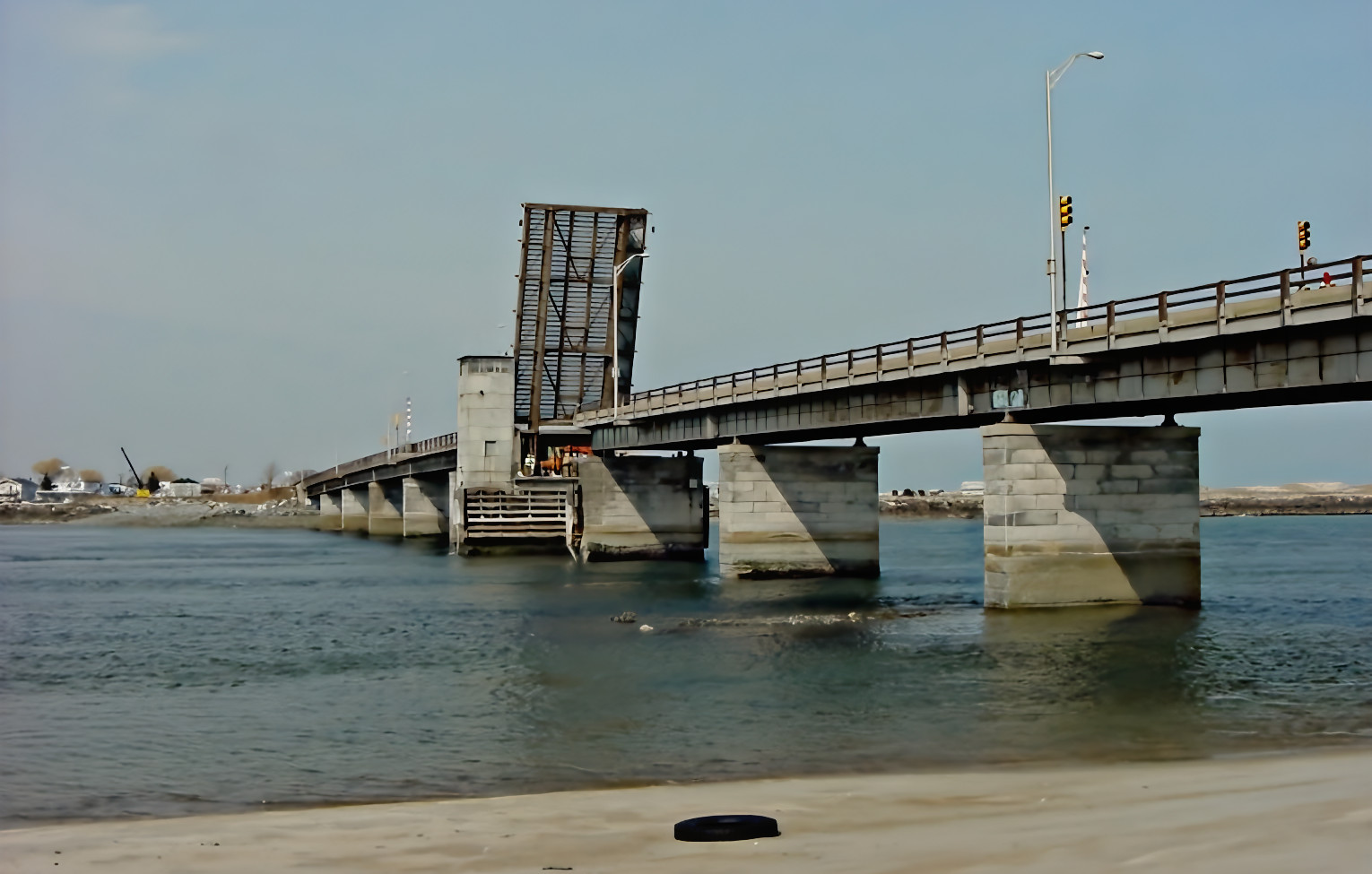
It was a single-leaf fixed-trunnion bascule bridge with thirteen spans – six approach spans to the south, six approach spans to the north, and a movable bascule span in the center at the navigational channel.

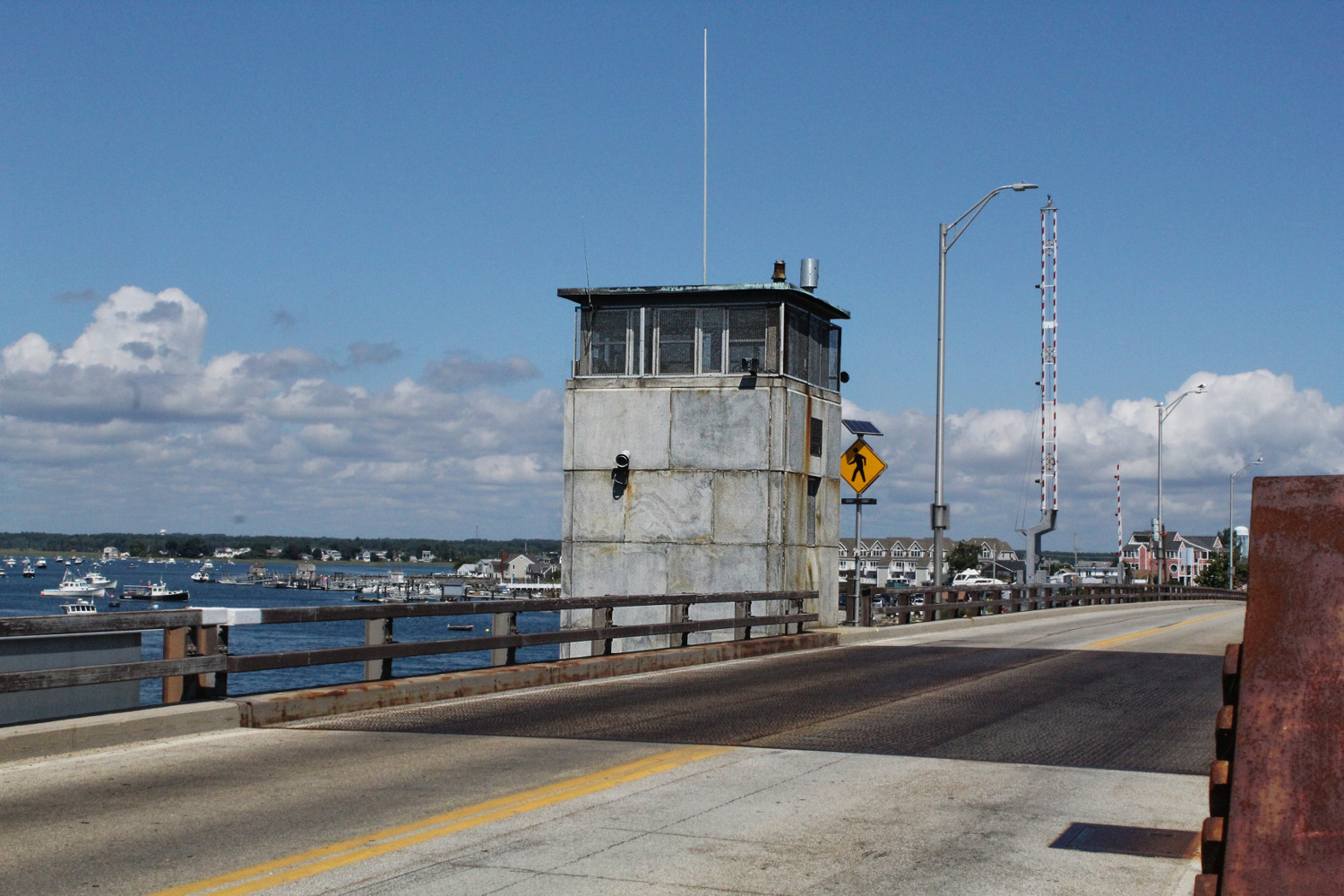
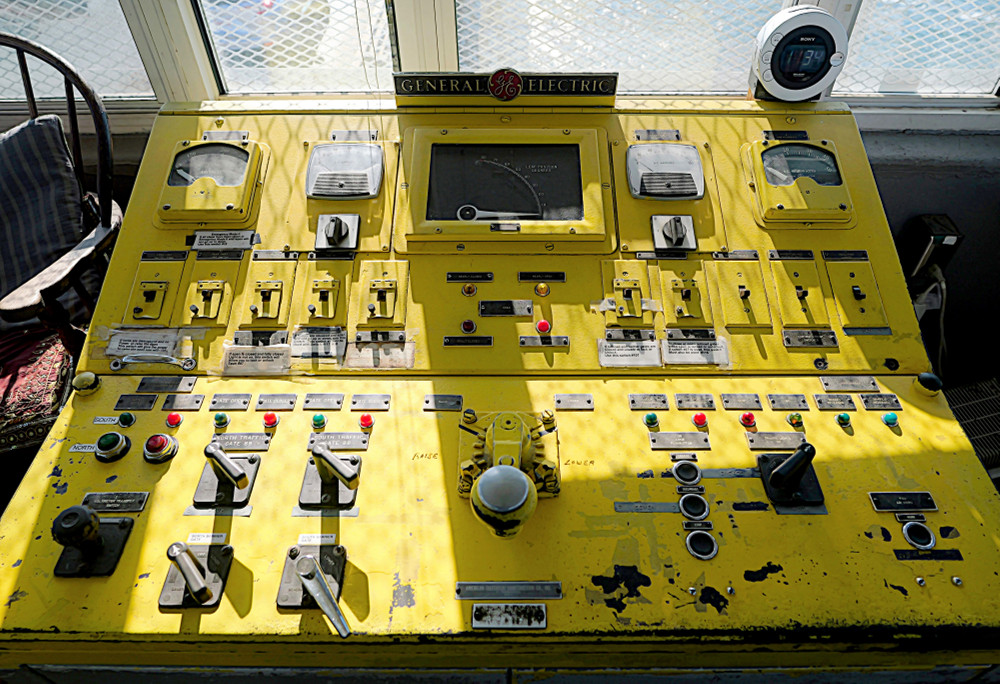
The approach spans had reinforced concrete decks, and the bascule span had a steel grid deck. The bascule span was approximately 65 feet long and rotated to 79 degrees when fully opened, providing unlimited vertical clearance within the navigational channel. Openings were controlled by a bridge operator from within the operator’s house.

f14-neil-underwood_akvis-2x-fx1-cp1.jpg
img_9949_nik_fx1_medium.jpg


p1002394_light_8x10_300dpi_cp1_fx1-medium.jpg image5_noise-buster1-refocusai-medium1.jpg

Image Catalog

Below are images related to: